
Nephrology
Quantifying renal extracellular matrix (ECM) fibrosis shows how stromal remodeling drives nephron loss, tubular atrophy, and kidney function decline. Objective ECM metrics stratify severity and prognosis by capturing collagen burden, fiber architecture, and interstitial expansion. Measuring fibrosis guides antifibrotic and regenerative strategies, helping address the fibrotic barrier that restricts perfusion, sustains hypoxia, and limits renal recovery.
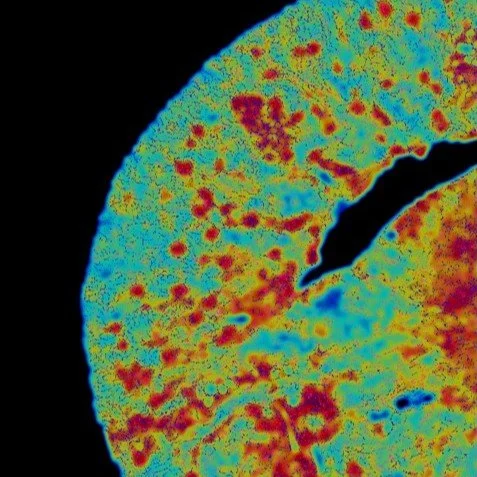
KIDNEY FIBROSIS IN SDT Fatty Rats
Digital pathology delivers high-resolution, objective quantification of kidney fibrosis, providing precise composite scores that surpass subjective grading. It also enables whole-slide, spatially resolved mapping of fibrotic patterns, revealing regional injury and structural changes that conventional histology may miss. Together, these capabilities enhance sensitivity, reproducibility, and interpretability in kidney disease research.
Quantitative image analysis reveals podocytes effacement and kidney fibrosis in SDT fatty rats with impaired renal function by unilateral nephrectomy and salt supplement diet. Briand et Al, ISN-World Congress of Nephrology, April 13-16 2024 Poster here
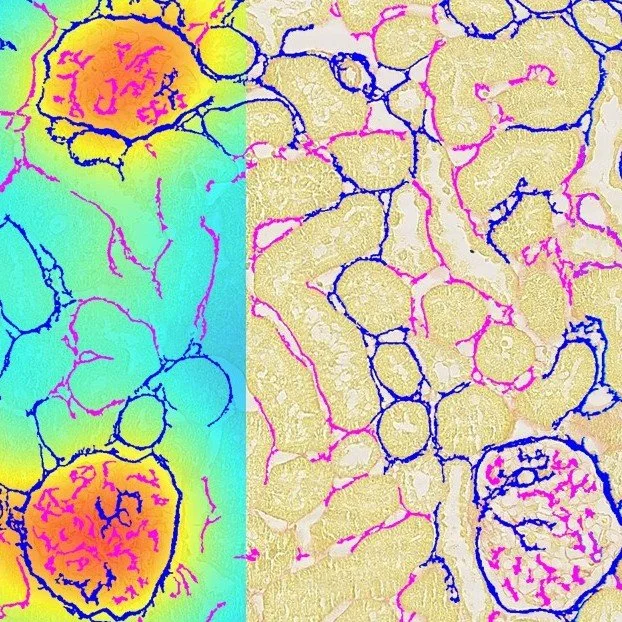
KIDNEY FIBROSIS IN STNx MICE
The PharmaNest platform offers a sensitive method for detecting and quantifying renal fibrosis. The continuous Ph-FCS score generated by FibroNest™ correlates with disease severity in the STNx model and provides a robust multiparameter endpoint. Further evaluation of progression and treatment response will strengthen its role in advancing CKD therapeutics.
Novel morphometric image analysis of Chronic Kidney Disease STNx model generates quantitative and continuous scores for the evaluation of fibrosis. Mirabella et al. In collaboration with Janssen Pharmaceuticals. Presented at 2020 Keystone Fibrosis and Tissue Repair, March 19-22 2020- Poster Here
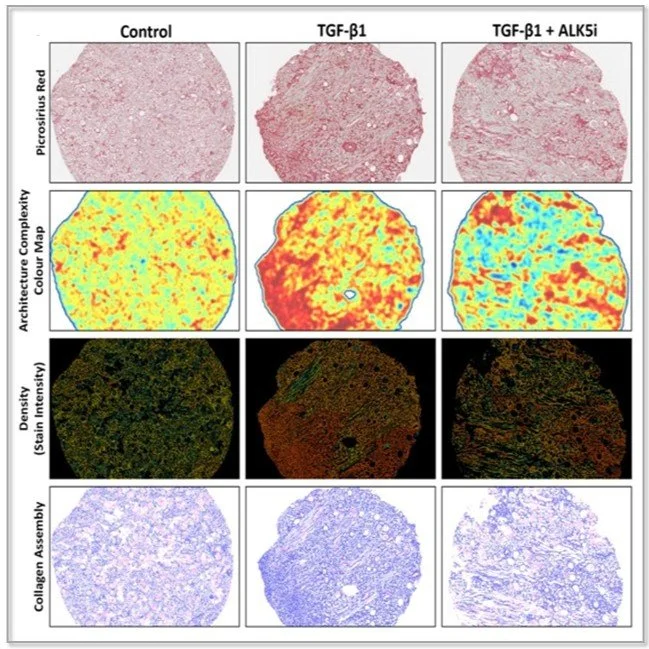
Precision Cut Human Kidney Slices: A Novel Ex-Vivo Model for the Study of Kidney Disease
Human PCKS maintain renal architecture and viability ex-vivo and reproduce fibrotic, inflammatory, metabolic, and toxic responses at transcriptomic, proteomic and lipidomic scales. PCKS provide a physiologically relevant, human-based platform for renal disease modelling and drug discovery.
In Partnership with FibroFind
Study completed.
Publication in progress
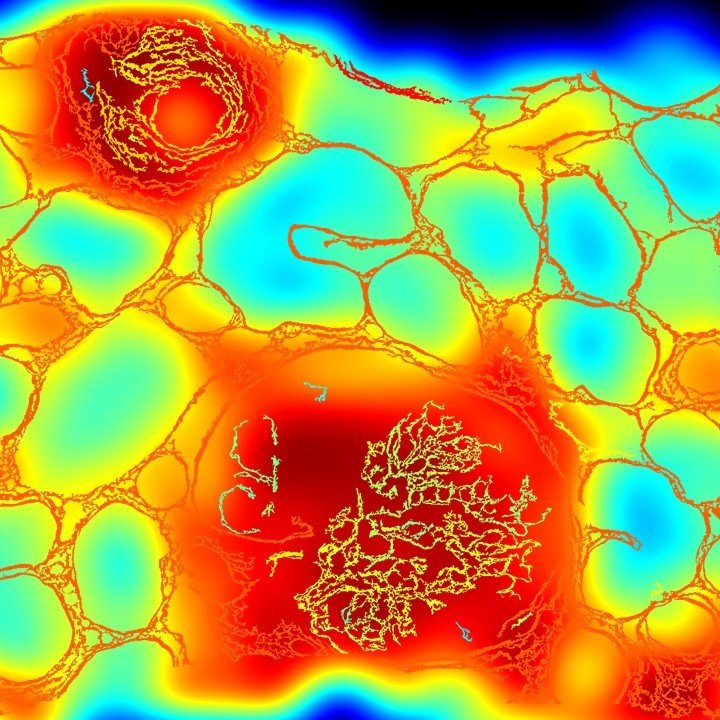
KIDNEY FIBROSIS In HUMAN
Quantifying interstitial and glomerular fibrosis in kidney biopsies provides objective, reproducible measures of structural damage that drive chronic kidney disease progression. These metrics improve diagnostic precision, enable earlier detection of worsening injury, and offer sensitive endpoints to evaluate therapeutic response—supporting better risk stratification and accelerating the development of effective CKD treatments.
Study Completed
Working on Publication