
Aging
Fibrosis is a key driver of biological aging, as excess collagen, tissue stiffening, and senescent cell activity erode organ function over time. Studying fibrosis reveals early structural decline and the mechanisms that accelerate aging. By targeting fibroblast dysregulation, ECM remodeling, and chronic inflammation, antifibrotic strategies can preserve tissue elasticity, slow organ deterioration, and effectively “create time” by extending functional lifespan.
fibrotypes predict LYMPH FibroTypes as Windows Into Biological Aging
Subtle quantification of FibroTypes reveals early architectural shifts—matrix stiffening, fiber disorganization, and micro-scarring—that mirror the biological processes driving aging. By mapping these patterns across tissues, FibroTypes expose how senescence, chronic inflammation, and impaired repair reshape the ECM long before overt dysfunction appears. This high-resolution view clarifies aging mechanisms and identifies targets to slow structural decline and preserve organ resilience.
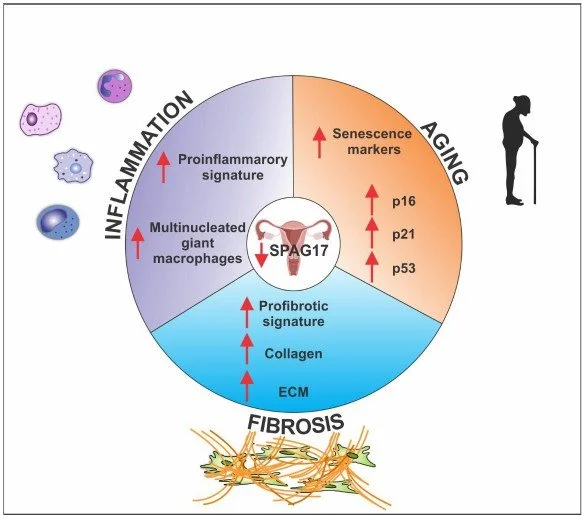
Regulation of Female Reproductive Aging by the Spag17 Gene. Ericsson et Al, 2025 March 3:2025.03.01.640648 - doi: 10.1101/2025.03.01.640648
Glaucoma
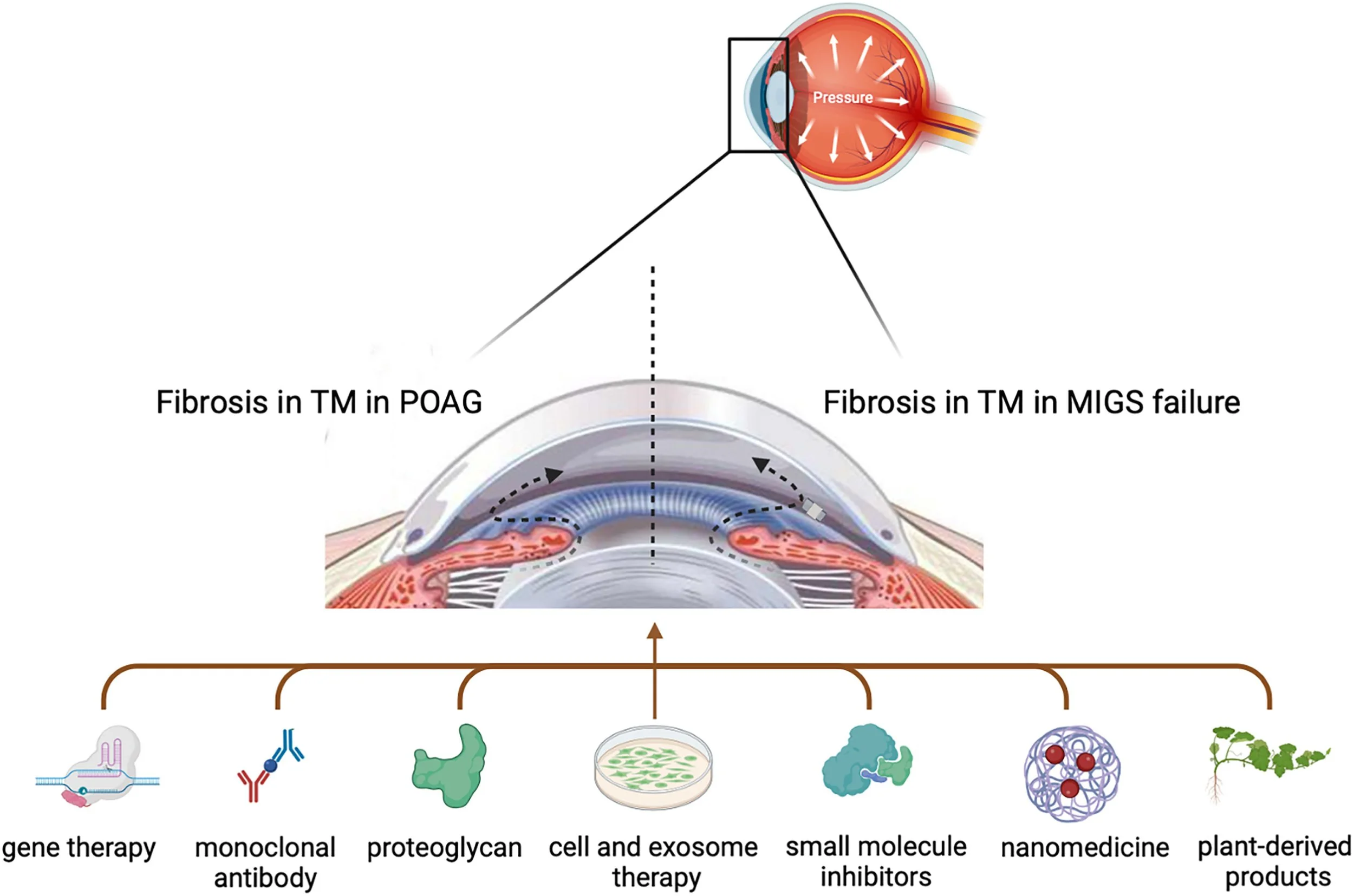
Aging promotes glaucoma through TGF-β-driven fibrosis, cellular senescence, oxidative stress, extracellular matrix remodeling, inflammation, and tissue stiffening
(work in progress)
KIDNEY
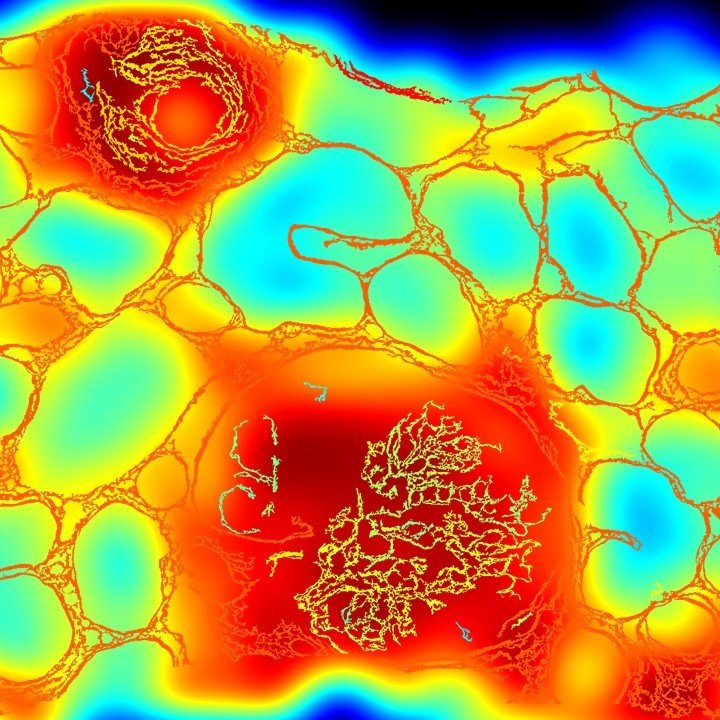
Age-associated interstitial fibrosis, tubular atrophy, and glomerulosclerosis
(work in progress)